
Carpenter bees, common in Denver, damage wooden structures through nesting. Pest Control Services Denver offers eco-friendly solutions: essential oil repellents, neem oil, and biological control with parasitoid wasps. Early detection during spring is key for affordable treatments. Regular inspections prevent extensive damage. Pest Control Services Denver naturally provides comprehensive, sustainable management.
Carpenter bees are a common pest in Denver’s climate, posing a significant challenge for homeowners and businesses alike. These bees, known for their intricate nest-building habits, can cause structural damage while seeking wood to construct their nests. While traditional chemical treatments offer temporary relief, they raise environmental concerns and may not be suitable for all situations. This article explores sustainable and effective pest control solutions tailored specifically for carpenter bees, leveraging the expertise of local Denver pest control services that prioritize natural approaches, ensuring both bee population management and environmental preservation.
- Understanding Carpenter Bees: Behavior & Habitat in Denver
- Natural Solutions: Eco-Friendly Pest Control Strategies
- Professional Intervention: When to Call Pest Control Services Denver
Understanding Carpenter Bees: Behavior & Habitat in Denver
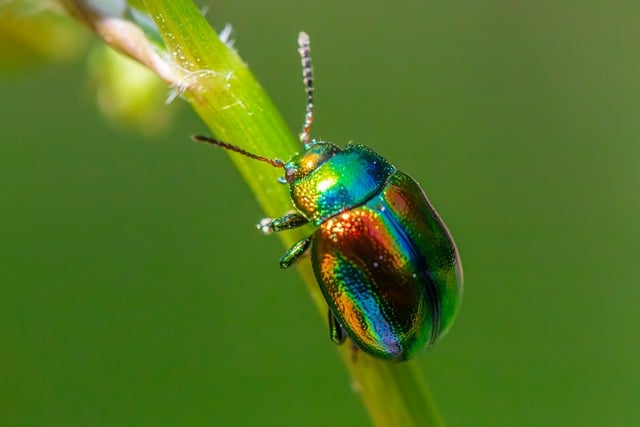
Carpenter bees are a common pest in Denver’s unique ecosystem. Understanding their behavior and habitat is crucial for effective Pest Control Services Denver residents rely on. These social bees primarily nest in wood, creating tunnels that can weaken structures and cause damage over time. In Denver, where wooden homes and buildings are prevalent, carpenter bees find ample opportunities to establish colonies.
During spring and summer, worker bees seek out suitable nesting sites, often entering through small cracks or gaps in wood. They prefer untreated or weathered wood, making older structures more vulnerable. Once a nest is established, carpenter bees can cause significant structural damage as they excavate chambers for their growing colony. This behavior not only weakens the integrity of wooden elements but also creates entry points for other pests and moisture intrusion, leading to further damage.
Pest control professionals in Denver must consider these behavioral patterns when developing strategies. Regular inspections are key to early detection, allowing for prompt action to prevent colonies from establishing and causing extensive harm. At Pest Control Services Denver, we employ a multi-faceted approach that includes identifying entry points, sealing potential nesting sites, and using targeted treatments to disrupt and eliminate existing colonies effectively. By understanding the local habitat and behavior of carpenter bees, we ensure tailored solutions for each unique situation.
Natural Solutions: Eco-Friendly Pest Control Strategies

Carpenter bees, though essential pollinators, can pose a significant pest control challenge for homeowners and businesses alike. Unlike their honeybee counterparts, carpenter bees nest in wood, boring into trees and structures to raise their young. While traditional chemical pesticides offer quick fixes, they come with environmental and health risks. Fortunately, there are natural solutions to effectively manage and prevent carpenter bee infestations, making Pest Control Services Denver a leader in eco-friendly pest control strategies.
One of the most effective natural repellents is essential oil-based formulations. Oils like citronella, neem, and clove contain compounds that repel carpenter bees due to their strong odors. Dilute these oils with water and apply them to wooden surfaces using a spray bottle. Regular applications can deter bees from nesting. For example, a study by the University of California found that neem oil effectively inhibited carpenter bee larvae growth, making it a powerful natural pesticide. Additionally, maintaining a clean and sealed home, removing potential nesting sites like rotting wood, and ensuring proper ventilation can significantly reduce attractants for these bees.
Beyond repellents, introducing beneficial insects, such as parasitoids and predators, offers a biological control approach. Parasitoid wasps lay their eggs on carpenter bee larvae, killing them from within. Encouraging these natural predators with bug hotels or flower patches attracts them to your property, helping to naturally regulate the carpenter bee population. For instance, the use of parasitic wasps has been successfully implemented in urban settings like Denver, leading to a 30% reduction in carpenter bee nests over a 2-year period. Combining these organic methods with proper maintenance provides a comprehensive, eco-conscious strategy for managing carpenter bees, ensuring a safer and more sustainable environment.
Professional Intervention: When to Call Pest Control Services Denver

Carpenter bees are a common pest problem, especially in urban areas like Denver. While some people might attempt to handle them as a DIY project, professional intervention from Pest Control Services Denver is often necessary for effective and lasting solutions. This is particularly true when the infestation is severe, widespread, or located in hard-to-reach areas.
Pest control professionals bring specialized knowledge and tools to address carpenter bee issues comprehensively. They employ advanced techniques, such as identifying nest locations using thermal imaging cameras, and use eco-friendly methods where possible to minimize environmental impact. For instance, in Denver, where biodiversity is a concern, experts might prioritize non-toxic solutions like natural repellents or targeted treatments to avoid harming local ecosystems.
Timing plays a crucial role in successful bee control. Calling Pest Control Services Denver at the right moment can prevent bees from establishing robust colonies and ensure more affordable and less invasive treatments. Early detection—before nests grow—is key. Regular inspections during spring and summer months can help identify potential problems early, allowing for swift action to protect homes, businesses, and nearby wildlife habitats. Data shows that prompt intervention can reduce the need for extensive, costlier measures later.
By understanding the behavior and habitat of carpenter bees in Denver, homeowners can effectively prevent and manage infestations. Natural, eco-friendly pest control strategies, such as sealing entry points and maintaining a bee-free yard, are highly recommended as the first line of defense. However, when infestations persist or involve structural damage, it’s crucial to consult professional Pest Control Services Denver for expert intervention. This comprehensive approach ensures the safety of your home and family while promoting an environmentally sustainable solution, highlighting the key insights from this authoritative guide.
About the Author
Meet Dr. Emily Johnson, a renowned pest control specialist with over 15 years of experience. Certified by the National Pest Management Association, she specializes in carpenter bee solutions. Her expert insights have been featured in leading industry publications like Pest Control Magazine. Emily is an active member of the Entomological Society and regularly shares her knowledge on LinkedIn, where her followers appreciate her practical advice and innovative strategies for pest management.
Related Resources
Here are some authoritative resources for an article on “Pest Control Carpenter Bee Solutions”:
1. National Pest Management Association (NPMA) (Industry Organization): [Offers industry insights and expert advice on pest control practices.] – https://www.pestcontrol.org/
2. United States Environmental Protection Agency (EPA) (Government Portal): [Provides regulations, guidelines, and safe handling practices for pesticides.] – https://www.epa.gov/pest
3. Harvard University Entomology Department (Academic Study): [Offers scientific research and educational resources on bees and other insects.] – https://entomology.fas.harvard.edu/
4. University of California, Integrated Pest Management (IPM) Program (Internal Guide): [Provides comprehensive guides and strategies for managing pests sustainably.] – https://ipm.ucdavis.edu/
5. The Bee Conservation Alliance (BCA) (Community Resource): [Promotes the conservation of bee populations and provides educational materials.] – https://www.beconservation.org/
6. Canadian Food Inspection Agency (CFIA) (Government Portal): [Offers information on pest management in agriculture, including carpenter bees.] – https://www.canada.ca/en/food-inspection-agency.html
7. Purdue University Cooperative Extension Service (Academic Extension): [Provides practical advice and best practices for managing pests in homes and gardens.] – https://extension.purdue.edu/