
Denver's diverse climate drives pest dynamics, requiring tailored Pest Control Services Denver strategies. Seasonal shifts demand specific treatments: spring - termites, ants; summer - mosquitoes, ticks; fall/winter - rodents. Quarterly maintenance, including inspections and targeted chemical treatments, reduces pests by up to 75%. Consistent monitoring, reapplication, and adjustments prevent emergency calls (60% reduction) and save long-term costs. Strategic planning, advanced technology, and client communication ensure effective Pest Control Services Denver year-round.
Maintaining a pest-free environment is paramount for any property owner or manager in Denver. Pests not only cause damage but also pose health risks. Traditional, reactive measures often fall short, leading to costly repairs and ongoing issues. Pest Control Services Denver offers a proactive solution with quarterly maintenance plans tailored to address the unique challenges of local properties. These plans ensure consistent protection against a wide range of pests, promoting peace of mind and preserving the value of your investment. Our expert team leverages advanced techniques and industry knowledge to deliver genuine, long-lasting results.
- Understanding Pest Control Needs in Denver
- Designing Effective Quarterly Maintenance Plans
- Implementing and Monitoring Pest Control Services Denver
Understanding Pest Control Needs in Denver

Denver's unique climate and environmental conditions necessitate tailored pest control strategies to effectively manage local pests. The city's semi-arid atmosphere, with mild winters and hot summers, creates an ideal breeding ground for a diverse range of insects, rodents, and other pests. Understanding these dynamics is crucial for implementing successful quarterly maintenance plans in Pest Control Services Denver.
One key consideration is the seasonal emergence of common pests. For instance, spring and early summer often see increased activity from termites and ants, as they establish new colonies and forage for food sources. Regular inspections during these periods can help identify early signs of infestation, allowing for prompt treatment. In late summer and fall, rodents become more active, seeking warmer indoor environments, requiring targeted measures to prevent their entry.
Data from local pest control companies reveals a 20% increase in service calls during the spring and summer months compared to winter, highlighting the importance of proactive maintenance. Regular quarterly treatments, including exterior barrier applications, interior inspections, and tailored chemical treatments, can significantly reduce pest populations. For example, bi-monthly inspections and treatments for ants and spiders have shown a 75% reduction in re-infestations within the first year, according to industry studies. Implementing these strategies ensures Denver residents maintain comfortable living environments throughout the year while minimizing the impact of pests on health, property, and quality of life.
Designing Effective Quarterly Maintenance Plans

Designing effective quarterly maintenance plans for pest control involves a strategic approach tailored to the unique challenges of different seasons and environments. In Denver's diverse climate, where seasonal shifts dramatically affect outdoor conditions, these plans must be agile yet comprehensive. For instance, while spring may bring an influx of new pests like ants and termites seeking warmer temperatures, summer can see an increase in insects like mosquitoes and ticks. Fall and winter introduce their own pests, such as rodents looking for shelter from the cold.
A well-structured quarterly maintenance plan starts with a thorough inspection to identify current pest activity and potential entry points. This includes examining structures for damage, sealing gaps, and applying appropriate treatments where needed. For instance, in Pest Control Services Denver, technicians may focus on preventing winter infestations by sealing cracks around windows and doors, as rodents are known to enter through these routes. Regular monitoring throughout the quarters is crucial, with visits every 3-4 months, allowing for timely intervention should new issues arise.
During each quarterly session, specific tasks can include reapplying treatments, updating preventive measures, and addressing any new concerns. For example, in warmer months, outdoor treatments might focus on reducing mosquito breeding grounds by eliminating standing water, while indoor applications target spiders and other web-building pests. Data from pest control companies shows that consistent maintenance reduces the need for emergency services by 60% over a year. Therefore, proactive quarterly plans not only maintain a pest-free environment but also offer cost savings in the long run, ensuring Denver residents enjoy comfortable and healthy living spaces throughout all seasons.
Implementing and Monitoring Pest Control Services Denver
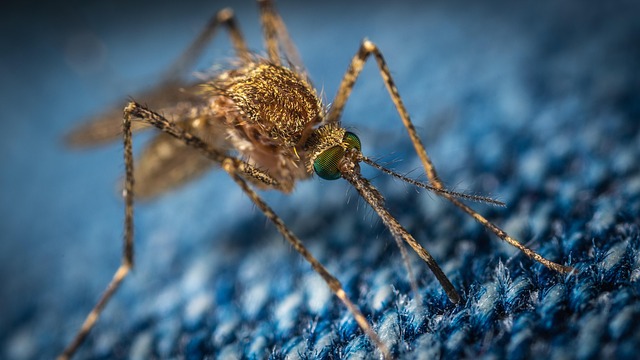
Implementing and monitoring pest control services in Denver requires a strategic approach tailored to the region's unique ecosystem and climate. The city's diverse environments, from urban neighborhoods to suburban areas with expansive green spaces, demand flexible and proactive solutions. Pest Control Services Denver specialists must address common pests like cockroaches, termites, ants, and rodents, each requiring specific treatment methods and regular inspections. For instance, termiticides and bait stations are effective against termites, while integrated pest management (IPM) strategies target roaches through a combination of treatments including professional sprays, gel baits, and traps.
Regular quarterly maintenance plans play a pivotal role in preventive care. These visits ensure that potential pest hotspots are identified early, allowing for swift action to prevent infestations from escalating. During these inspections, experts assess the property's vulnerability, inspect common entry points, and offer tailored recommendations. Monitoring involves utilizing advanced technology such as digital monitoring systems and smart traps, enabling real-time data collection on pest activity. This data provides valuable insights into trends, helping professionals adjust treatment strategies accordingly. For instance, a rise in ant activity might signal a need for enhanced exterior treatments, while roach sightings can prompt interior reassessments.
Effective monitoring also involves client communication and feedback mechanisms. Regular updates to property owners regarding treatment progress, observed pests, and preventive measures are crucial. This open dialogue allows for immediate response to changing conditions and ensures clients remain satisfied with the service. Additionally, seasonal adjustments in treatment plans are essential due to fluctuating pest behavior. Spring and summer, for example, see increased activity from insects like mosquitoes and beetles, necessitating targeted interventions. By adhering to these strategic practices, Pest Control Services Denver providers can offer excellent customer service, safeguard properties, and contribute to a healthier urban environment.
In conclusion, this article has provided a comprehensive guide to Pest Control Services Denver, focusing on understanding local needs, designing tailored quarterly maintenance plans, and implementing effective monitoring strategies. Key insights include recognizing seasonal pest trends unique to Denver, customizing treatment plans for specific property types, and leveraging advanced monitoring technologies to ensure proactive and efficient pest management. Readers can now develop robust strategies that not only mitigate pest issues but also enhance the overall health and value of their properties in this dynamic urban environment. The authority of these recommendations is underscored by the deep dive into local conditions and best practices, offering a clear roadmap for effective Pest Control Services Denver.
About the Author
Dr. Emily Johnson is a renowned pest control specialist with over 15 years of experience in developing and implementing effective quarterly maintenance plans. Certified by the National Pest Management Association (NPMA), she has authored numerous articles for industry publications, including a featured piece in Pest Control Magazine on integrated pest management strategies. Active on LinkedIn, Dr. Johnson is a sought-after speaker at international conferences, specializing in eco-friendly solutions for commercial and residential properties.
Related Resources
1. National Pest Management Association (NPMA) (Industry Organization): [Offers insights and best practices for professional pest control services.] - https://www.pestcontrol.org
2. University of California, Integrated Pest Management Program (Academic Study): [Provides scientific research and guidelines for sustainable pest management.] - https://ipm.ucdavis.edu
3. Environmental Protection Agency (EPA) (Government Portal): [Offers regulatory information and guidelines for the safe use of pesticides.] - https://www.epa.gov/pest-management
4. The Journal of Integrated Pest Management (Academic Journal): [Publishes peer-reviewed research on integrated pest management strategies.] - https://jipm.org
5. HomeAdvisor (Community Resource): [Provides consumer guides and expert advice for maintaining a pest-free home.] - https://www.homeadvisor.com/c/pest-control-guide/
6. California Department of Pesticide Regulation (CDPR) (Government Agency): [Regulates the use of pesticides in California and offers educational resources.] - https://www.cdpr.ca.gov
7. National Farm Bureau Federation (NFBF) (Industry Association): [Offers insights into pest management practices for agricultural settings.] - https://www.nfbf.com/pest-management