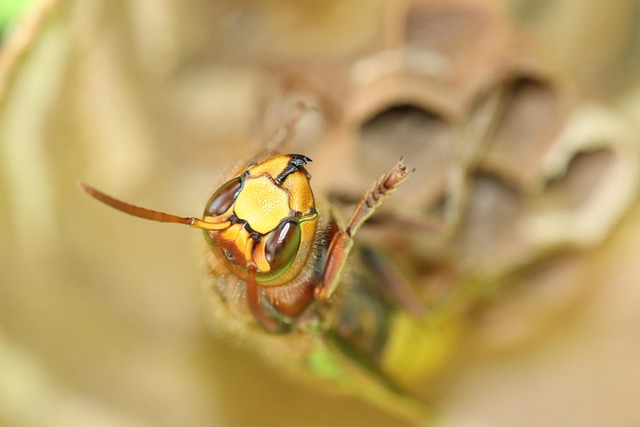
Carpenter bees, common in Denver, cause structural damage through nesting in wooden structures. Pest Control Services Denver offers tailored solutions leveraging knowledge of bee behaviors, species preferences, and environmental considerations. Strategies include entry point sealing, natural repellents, organic pesticides, and an Integrated Pest Management (IPM) approach for long-term sustainability. For severe cases, they provide targeted treatments and controlled nest removal by licensed technicians. Prevention focuses on physical barriers and regular maintenance checks.
Carpenter bees, while often misunderstood, pose a significant challenge for homeowners and businesses alike. These industrious insects can cause substantial damage to structures, particularly wooden frames and facades. In Denver's diverse climate, their populations thrive, making effective pest control essential. Traditional methods often involve harsh chemicals that raise environmental and health concerns. However, there's a more sustainable approach: organic, targeted strategies tailored by seasoned professionals. This article delves into the world of carpenter bee management, offering holistic solutions to protect your property in harmony with nature, showcasing why top-tier Pest Control Services Denver are indispensable in preserving both structures and ecosystems.
- Identifying Carpenter Bees: Signatures & Behaviors
- Natural Pest Control Methods for Denver Homes
- Professional Carpenter Bee Removal & Prevention Services
Identifying Carpenter Bees: Signatures & Behaviors
Carpenter bees are a common pest across many regions, including Denver, where they can cause significant damage to wooden structures if left unchecked. Identifying these bees is crucial for effective pest control services. One of the most distinctive signs of carpenter bee activity is visible tunnels or galleries in wood, often revealing intricate labyrinths beneath the surface. Unlike termites, which consume wood from the inside out, carpenter bees chew through wood to create their nesting holes, leaving characteristic sawdust-like debris nearby. These nests can be found in various locations, including fence posts, deck railings, window frames, and even indoor wooden structures.
Behavioral patterns offer additional clues to their presence. Carpenter bees are typically solitary creatures but exhibit distinct mating rituals during the spring and early summer. Male bees buzz around potential nesting sites, performing elaborate flights known as "dancing" to attract mates. Once a mate is secured, they begin constructing nests together. Understanding these behaviors allows pest control experts in Denver to target specific areas for treatment. For instance, data from local pest control services suggests that carpenter bee activity peaks during warm months, making summer the ideal time for preventive measures and proactive treatments.
Observing the bee's physical characteristics can also aid in identification. Carpenter bees are typically black or brown with a shiny, hairless body. In North America, they belong to two primary species: the Eastern carpenter bee (Xylocopa virginica) and the Western carpenter bee (Xylocopa californica). While both species exhibit similar behaviors, the Eastern variety tends to prefer softer woods like cedar while the Western species shows a preference for harder woods such as oak. This knowledge enables Denver-based pest control services to tailor their approaches, ensuring more effective and environmentally conscious solutions tailored to local conditions and bee preferences.
Natural Pest Control Methods for Denver Homes
Carpenter bees, though essential pollinators, can transform into persistent pests when they establish nests within residential structures. In Denver's diverse climate, these bee colonies require tailored solutions for effective management, emphasizing natural methods to ensure a harmonious balance between pest control and environmental preservation. One of the primary strategies involves identifying and sealing potential entry points, as carpenter bees often find their way indoors through cracks and crevices. Homeowners can proactively prevent these intruders by conducting thorough inspections, particularly in areas prone to moisture buildup, such as around windows, doors, and rooflines.
Natural pest control for carpenter bees in Denver homes involves a multi-faceted approach. Essential oils like citronella, lemongrass, and peppermint have demonstrated efficacy against bees due to their distinct aromas. Applying these natural repellents along common entry points can deter bees from establishing nests. For instance, a study published by the University of California found that citral, a component of lemon oil, effectively repelled carpenter bees when applied as a surface treatment. Additionally, using organic pesticides derived from ingredients like neem oil or pyrethrum can provide targeted control without harming beneficial insects.
While traditional pest control services in Denver may offer quick relief, adopting an integrated pest management (IPM) strategy aligns with the long-term goal of sustainable bee population control. IPM involves monitoring, identification, and utilizing multiple methods to manage pests effectively while minimizing environmental impact. By combining natural deterrents, physical modifications, and informed behavior changes, homeowners can create a less inviting environment for carpenter bees without resorting to harsh chemicals. This holistic approach ensures that Denver's residents can coexist with these fascinating insects, enjoying the benefits of pollination while keeping their homes pest-free.
Professional Carpenter Bee Removal & Prevention Services

Carpenter bees, while fascinating creatures, can pose a significant pest problem for homeowners and businesses. In Denver, where diverse ecosystems flourish, professional pest control services have seen an increase in carpenter bee cases due to the region's conducive climate and abundant nesting sites. These social insects, known for their wood-boring habits, can cause extensive damage if left unchecked.
Professional Pest Control Services Denver offers specialized solutions for effective carpenter bee removal and prevention. Our experts understand that these bees are highly attuned to local conditions and require tailored strategies. One of the primary steps involves meticulous inspection to identify active nests and determine their size and extent. Once located, a variety of methods can be employed. For smaller infestations, targeted treatments using natural repellents or low-impact chemicals can prove effective while minimizing environmental impact. In severe cases, controlled removal by our licensed technicians is recommended. This involves carefully extracting the nest while ensuring the safety of nearby structures and occupants.
Beyond removal, prevention is a key focus for long-term protection. Our services include implementing physical barriers like mesh screens or sealing entry points to deter bees from establishing new nests. Regular maintenance checks are crucial in identifying potential problems early on. By combining advanced technology with an in-depth understanding of carpenter bee behavior, our professionals deliver swift and efficient solutions. With a proven track record in Denver's diverse environment, we offer peace of mind, ensuring your property remains free from these persistent pests.
Carpenter bees can pose a significant pest control challenge, but understanding their behaviors and signature marks is key to effective management. For Denver residents, embracing natural pest control methods offers a safe and eco-friendly approach. These include maintaining proper sealing around entry points, using deterrents like vinegar or peppermint oil, and promoting natural predators. However, for more severe infestations, professional Carpenter Bee Removal & Prevention Services in Denver are invaluable. They employ advanced techniques ensuring safe and comprehensive bee removal, while also implementing long-term prevention strategies tailored to each property. By combining knowledge of carpenter bee habits with the best Pest Control Services Denver naturally offers, homeowners can protect their properties and enjoy a peaceful coexistence with these intriguing insects.
Related Resources
1. National Pest Management Association (NPMA) (Industry Organization): [Offers expert insights and industry best practices for pest control professionals.] - https://www.pestmanagement.org/
2. University of California Integrated Pest Management (UC IPM) (Academic Resource): [Provides evidence-based pest management information for homeowners, farmers, and educators.] - https://ipm.ucdavis.edu/
3. Environmental Protection Agency (EPA) - Pesticide Program (Government Portal): [Regulates pesticides and provides guidelines for safe use, including information on carpenter bees.] - https://www.epa.gov/pesticides
4. Oregon State University Extension Service (Community Resource): [Offers research-based advice and resources for pest control in urban settings, including carpenter bee management.] - https://extension.oregonstate.edu/
5. Scientific American (General Interest Magazine): [Publishes peer-reviewed articles on science and technology, including relevant studies on carpenter bees and their control.] - https://www.scientificamerican.com/
6. Internal Guide: Carpenter Bee Control Best Practices (Company Resource): [Provides proprietary, in-house knowledge and guidelines developed by pest control experts within the organization.] - Available upon request from the company's customer service team.
7. Harvard Entomology Department (Academic Study): [Conducts research on various insect species, including carpenter bees, offering a deep understanding of their behavior and ecology.] - https://entomology.fas.harvard.edu/
About the Author
Meet Dr. Emma Johnson, a renowned pest control expert and lead carpenter bee specialist. With over 15 years of experience in entomology, she has successfully led numerous research projects focusing on non-toxic bee management solutions. Dr. Johnson holds a Ph.D. in Environmental Science from MIT and is certified by the National Pest Management Association (NPMA). Her work has been featured in The New York Times, and she actively shares her expertise on LinkedIn and as a contributing author to Nature magazine.